

Driving Stronger Policies for the Global Cold Chain
The cold chain is critical infrastructure, the backbone that support commodities through the supply chain: delivering safe and high-quality perishable goods while reducing waste and driving growth and prosperity. GCCA builds relationships with regulators, legislators, and decision makers to tell the cold chain’s story and seek mutually beneficial solutions on complex global, national and local policy issues like trade, energy, food and industrial safety policy. We consult, educate and inform our members and industry stakeholders on the policy issues that are shaping the cold chain and the world.

GCCA's Global Advocacy Framework
Our Global Advocacy Framework is a comprehensive guide to the legislative and regulatory priorities that shapes our work on behalf of members worldwide. It is grounded in four guiding principles: focusing on cold chain-specific issues, setting outcome-driven priorities, relying on evidence-based advocacy, and ensuring global priorities are advanced with local action.
- Resilient Infrastructure
Advancing investment, safety, energy security, and preparedness to keep facilities and operations strong. - Safe and Secure Trade
Ensuring smooth cross-border movement of goods, modern inspection processes, and recognition of the cold chain’s role in food and pharmaceutical safety. - Sustainable Supply Chains
Championing policies that reduce food waste, track and report emissions, support energy efficiency, and enable realistic decarbonization.
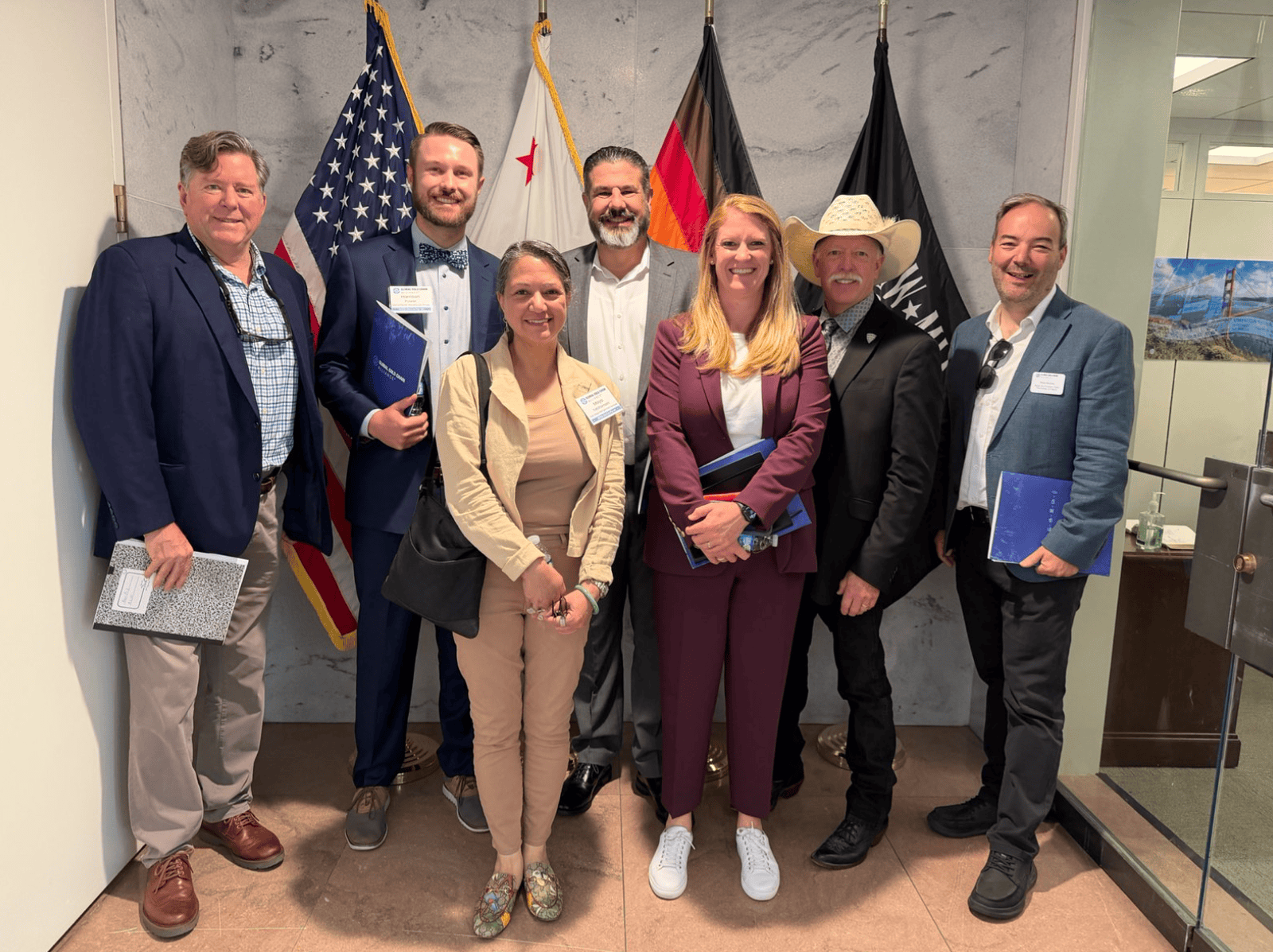

Our Top Issues in the United States
California AB817 and SB716
FRIDGE Act
USDA trade programs build infrastructure, develop skills, and strengthen trade links for U.S. importers and exporters. GCCA proudly supports a bipartisan coalition backing the Fortifying Refrigeration Infrastructure and Developing Global Exports (FRIDGE) Act.
Our ask? Support the Inclusion of the FRIDGE Act provision, and pass the FARM Bill.
- February 23, 2026: GCCA comments submitted on the Farm, Food, and National Security Act of 2026 (H.R. 7567).
- April 30, 2026: GCCA applauds the House passage of the Farm, Food, and National Security Act of 2026 (H.R. 7567).
Low Oxygen Environments in Cold Storage
Low oxygen fire safety systems, also called Oxygen Reduction Fire Prevention Systems (ORFPS), are designed to protect cold storage and other controlled environments by maintaining oxygen levels below the threshold needed to sustain combustion, while still being safe for human occupancy.
Our ask? ORPFS regulations should be updated. Advances in technology can ensure workers receive safe levels of oxygen, without requiring burdensome equipment that poses a greater hazard in a frozen environment.
USMCA
The United States-Mexico-Canada Agreement (USMCA) is one of the world's largest trade agreements, enabling efficient cross-border movement of commodities across North America. Its framework has allowed GCCA members to invest billions in vital cold chain infrastructure. GCCA is an active member of the Agricultural Coalition for USMCA. For the most recent updates on USMCA, visit GCCA's Trade & Tariff Information Center.
Our ask? A strong cold chain is essential to the success of U.S. agriculture and food industries. Preserve USMCA as a trilateral agreement, with necessary updates.
Traceability and Compliance
Cold chain operators store and move product — we do not buy, sell, or make production decisions. Yet under Section 204(d) of the Food Safety Modernization Act, traceability rules, 3PLs face record-keeping obligations designed for producers and retailers. Under California's Proposition 12, distributors face compliance uncertainty despite having no role in the production decisions the law addresses.
Our ask? Proportionate enforcement and clear guidance that reflects what a distribution business can and cannot control.
Food Safety Regulatory Reform
The current Food Safety Inspection Service (FSIS) inspection system requires an additional step of inspection at 3PL facilities: after the product has left the processing plant, but before being exported to an approved country. The current process includes safety reinspection of 10% of the product that goes through the 3rd party logistics location, and paperwork verification to ensure product integrity for export.
Our ask? The development of a “Trusted Partner” program that would enable establishments to complete the export process without requiring reinspection by FSIS personnel.
Tackling Food Waste
Confusing date labels cause billions of pounds of safe food to be thrown away each year — and cold chain operators are often required to discard it. GCCA supports H.R. 4987, the Food Date Labeling Act, which would create uniform national standards: "BEST If Used By" for quality and "USE By" for safety. These simple changes would improve donation decisions across the supply chain and combat 3.5 million tons of waste driven by label confusion.
Our ask? Pass H.R. 4987 Food Date Labeling Act; advance H.R. 5840 Feed the Community Act.
GCCA Advocacy Fund
GCCA advocacy work in the United States is made possible by the vital contribution of participating member companies. Their support makes it possible for GCCA to maintain a constant presence on Capitol Hill, participate in a number of business coalitions and undertake campaigns on crucial regulatory and policy issues for the benefit of the industry as a whole. Find out more.
Policymaking Around the World
In a constantly changing world, the global temperature-controlled supply chain provides stability. From shifting climate patterns and energy volatility to geopolitical tension and evolving trade policy, the systems that keep perishable goods moving safely around the world face mounting pressure. GCCA works at the intersection of these challenges, engaging directly with regions to understand their unique cold chain advocacy needs — from regulatory hurdles and infrastructure gaps to workforce development and sustainability goals. GCCA helps ensure that no matter what disruptions arise, the cold chain remains resilient, reliable, and ready.

Setting the Agenda in Europe
In Europe, the GCCA coordinated with other European and national cold chain representatives to launch a Call to Action on the future of the perishable goods supply chain. Through elections and the formation of the new European Commission, the GCCA met with political leaders, officials and others to stake out the cold chain agenda. Find out more about the European Call to Action.
Opening Markets for Brazilian Meat Exports
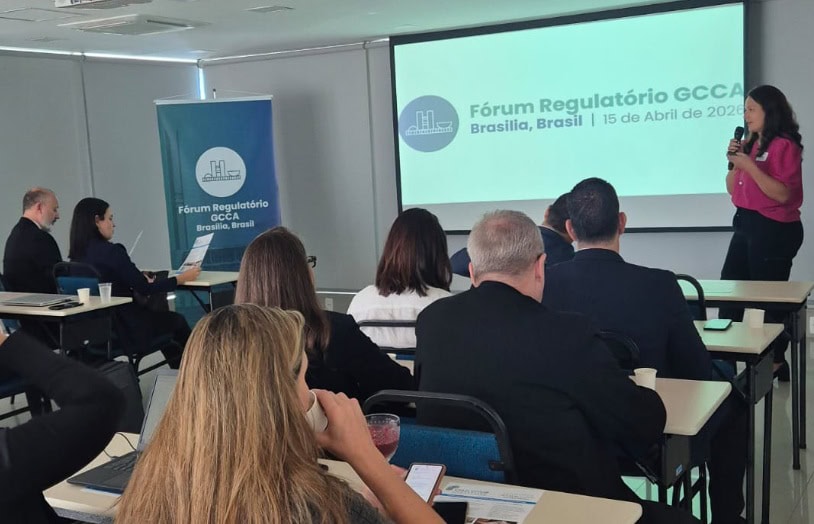
GCCA works with the Ministry of Agriculture to pursue regulatory change to allow refrigerated warehouses to conduct blast freezing, an efficient and highly valuable service provided by cold chain operators across many other parts of the world. GCCA also promotes regulations and policies to improve the flow of meat and poultry exports from Brazil. Read more from the 2026 GCCA Brazil Regulatory Forum.


A Call to Action for Africa
GCCA is dedicated to putting the cold chain at the heart of discussions on future of African food and energy security. We are champions of the benefits of the Africa Free Trade and Cooperation Agreement (AfCFTA) and continue to support development projects, skills training and market expansion initiatives across the continent. Read the GCCA Africa Call to Action and find out more here.
Canadian Cold Chain Priorities
GCCA engages closely with Canadian members and policymakers in a number of ways. Recently, top priorities in Canada have included CFIA Digitization; working alongside CFIA on their e-certification process for trade. GCCA also supports investing in digitization through innovative pilots such as virtual inspection or remote signature technology. Additionally, GCCA advocates for the continued reconsideration and expansion of trade opportunities between the U.S. and Canada ... important partners in the cold chain.

Tariff & Trade Information Center
Significant and dynamic change is occurring across the global trade landscape. The GCCA tracks developments and announcements across multiple regions and markets. Information and analysis in the Information Center is updated continuously.
Keeping You Up to Date
GCCA provides our members and stakeholders with rapid, quality analysis of cold chain policy and regulatory developments that are impacting the global cold chain. Subscribe now to GCCA's Policy Weekly, detailing GCCA activities and actions in advocacy, key developments in policy and regulatory decisions affecting the cold chain, and stories from around the globe on resilient infrastructure, sustainable supply chains, and safe & secure trade.
Latest News
Read the latest advocacy and policy news from the GCCA.
GCCA Statement: California Legislation AB 817 and SB 716
Statement from Sara M. Stickler GCCA President and CEO Our industry feeds families and protects access to…
Brazil-EU Trade Update: MAPA Response to Export Restrictions
Brazil-EU Trade Update: New Antimicrobial Restrictions on Animal Protein Exports and MAPA’s Response On September 3, the European…
September 10 Trade Updates: U.S.-Canada Tariffs; What to Watch for Next
September 10, 2026 On September 8th, Canada imposed tariffs on $20 billion worth of U.S. goods, focused primarily…